01 · The programs
One D at a time.
How long, how far, and what is happening around your dog. We change one thing at a time and adapt each plan to the dog in front of us.
Puppy Start
A good first chapter
Recall
Coming back is worth it
Calm Walks
More space. Less pressure.
Loose-lead walking
A walk you can share
A recall ladder, for example.
Illustrative plan · assessed individuallyAt home
A clear cue, a short distance, a quiet room.
[Duration]A little farther
The same game, with a few more steps between you.
[Distance]Outside, safely
A harness and long line, with room to concentrate.
[Distraction]The next step follows observation, never a fixed promise.
02 · Between sessions
An hour together.
Small steps at home.
Most practice happens between sessions, in your kitchen and on your street. Your plan should make sense there.
- 01
A first conversation
We listen, discuss safety and agree what would be useful.
- 02
A written plan
A small starting point, with instructions you can use.
- 03
Review and adjust
Tell us what happened. The next step can be easier.
Sample session summary · Recall
01 · What we practised
Returning in a quiet room.
[short distance] [low distraction]
The dog could return comfortably here. We kept the next repetition easy.
02 · Practical support
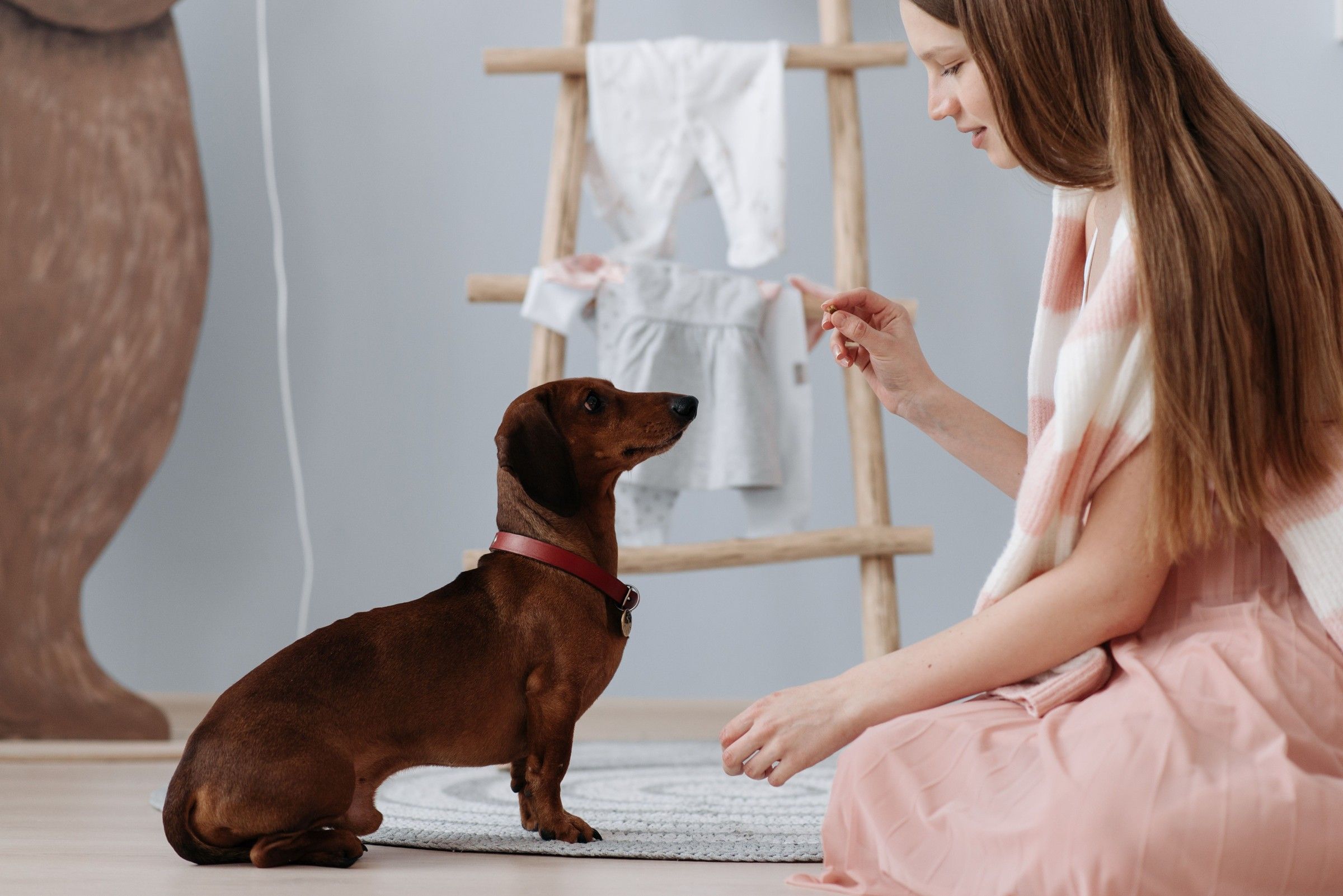
Illustrative photography. An example of how a plan is recorded, not a client outcome.
03 · Homework
Practise the agreed cue in a comfortable place. Stop before either of you becomes tired.
Questions, before you start
A few useful answers.
Where do we start?
Start with a consultation request. We discuss your goals, your dog’s needs and whether private sessions or a class may suit you. No appointment is confirmed by this demo.
How do you train?
We use rewards, gradual practice and practical management. We avoid pain, fear and deliberate overwhelming exposure. You receive clear exercises you can practise between sessions.
Is a class right for my dog?
Suitability comes first. Dogs who need more space may benefit from private support. We discuss this before recommending a class.
What if behaviour changes suddenly?
Contact your vet about sudden changes, pain concerns, new fears or a bite. Training does not replace veterinary assessment or medical care.
Can you guarantee a result?
No. Each dog and household is different. We agree achievable goals, observe progress and adapt the plan.
Will this form book a session?
No. This fictional demo sends and stores nothing. On a real service a trainer would first discuss suitability and confirm arrangements separately.
A useful first step
Start where your dog is.
A conversation about your dog, your everyday life and what you would like to change.